How to Read Your Credit Report: A Section-by-Section Guide
Learn how to read every section of your credit report, spot possible errors, review account details, and dispute inaccurate information properly.
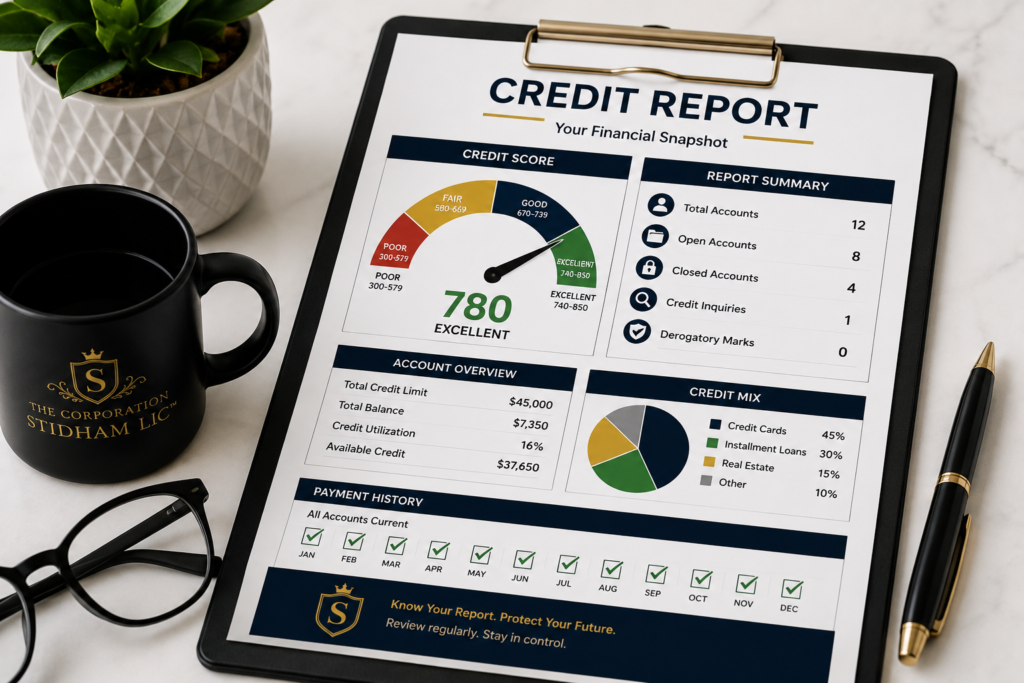
Learn how to read every section of your credit report, spot possible errors, review account details, and dispute inaccurate information properly.
Executive Summary Improving personal credit has changed significantly over the past decade. Traditional advice—such as “pay your bills on time” and “reduce debt”—remains valid, but modern credit scoring, reporting practices, and consumer tools have introduced new pathways for improvement. These newer approaches focus less on quick fixes and more on behavioral signals, data accuracy, and
What It Means When a Credit Agency “Won’t Listen” When people say a credit agency “won’t listen,” they usually mean one of three things: This experience is common—and frustrating—but it does not automatically mean the agency acted illegally. Credit reporting operates under defined procedures, not judgment calls or conversations. Understanding those procedures matters. Common Reasons
When Paying Off Debt Does Nothing Sometimes paying off debt doesn’t change the score much. That can happen when: In these cases, the “risk picture” the score sees may not change much. Why Scores Sometimes Drop After Payoff A score can drop temporarily after paying off debt if the payoff changes your credit profile—for example:
Most people think a credit score is a judgment of them as a person.It isn’t. A credit score is a mathematical snapshot of risk, calculated from specific behaviorsover time. It does not measure effort, intelligence, or intent. This article explains what a credit score actually represents,what influences it the most, and why common advice often